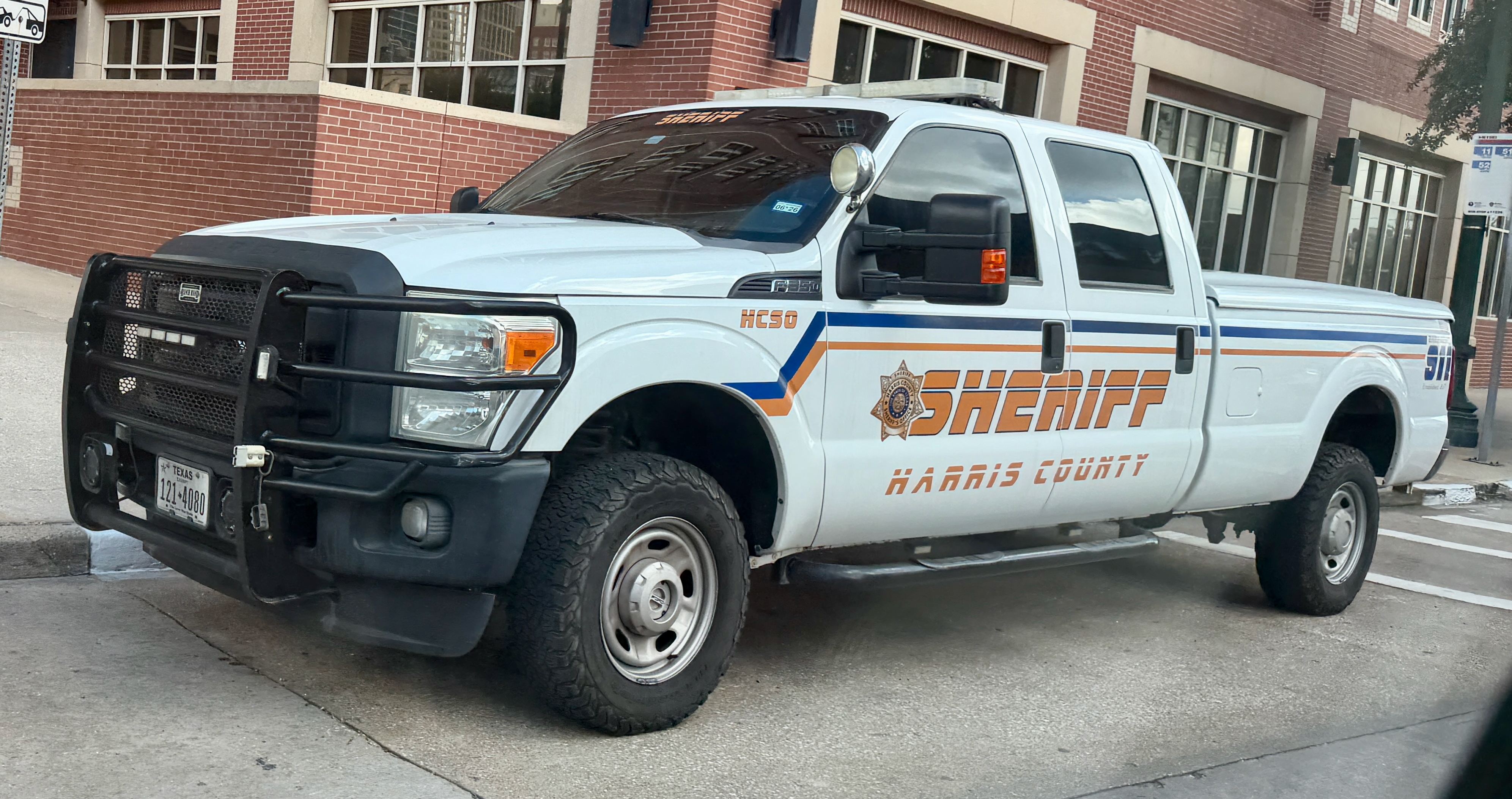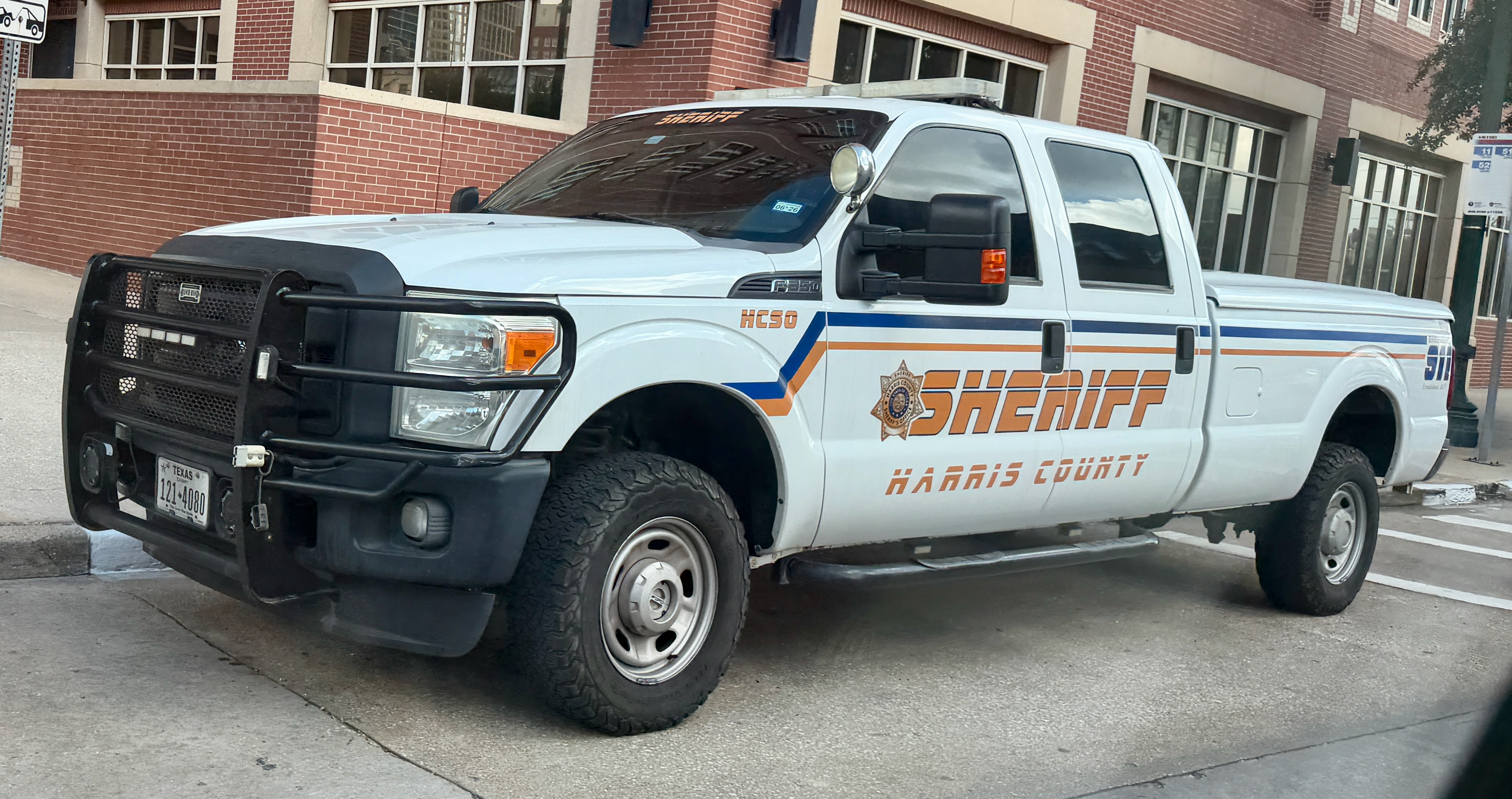
Scammers posing as Harris County Sheriff's Office deputies are calling residents and demanding money, using real employee names and fake badge numbers to make the threats seem legitimate.
The HCSO posted a warning on X on Wednesday, Nov. 11, stating that callers are also spoofing caller IDs. The scammers tell victims they must pay immediately to avoid arrest or post bail.
The post referenced Sheriff Ed Gonzalez, reminding residents that HCSO will never demand money over the phone to avoid arrest or pay bail. The agency urged anyone who receives such a call to hang up and dial 713-221-6000 to verify.
Gonzalez had issued a similar alert on Sept. 21, warning on his X account that scammers "continue to target our community by impersonating our personnel" and spoofing phone numbers to make calls appear to come from HCSO. In that post, Gonzalez said the agency will never call and demand payment, gift cards or sensitive personal information.
A nationwide problem
The scam is not unique to Harris County. The FBI's Internet Crime Complaint Center (IC3) received nearly 61,000 complaints of law enforcement or government impersonation scams between January 2025 and July 2026, according to a public service announcement from the IC3. Losses topped $1.6 billion during that period.
The FBI said scammers often use "urgent and aggressive tones" and refuse to speak with anyone other than the targeted victim. They also urge victims not to tell family, friends or law enforcement about the call. Scammers demand payment through prepaid cards, bank wires, cryptocurrency or cash inserted into cryptocurrency kiosks, according to the IC3 alert.
How to protect yourself
The FBI offers these guidelines:
- Law enforcement will never call to demand payment or request sensitive personal information by phone.
- Never pay a caller with gift cards, prepaid cards, cryptocurrency or wire transfers.
- Do not trust caller ID alone. Scammers can spoof official numbers.
- Ask for credentials and verify them by calling the agency's publicly listed number, not a number the caller provides.
- Verify that any URL matches the agency's official domain before trusting it. Scammers may use addresses that closely mirror real ones, with slight variations or incorrect extensions.
The Texas Attorney General's Office also warns that scammers pressure victims to make quick decisions and may threaten arrest if they don't comply.
Residents who believe they received a scam call claiming to be from HCSO can call 713-221-6000. Suspected phone scams can also be reported to the Texas Attorney General's consumer protection division by filing a complaint at texasattorneygeneral.gov.