Spring ISD Superintendent Dr. Kregg Cuellar says the district will focus on listening to families and re-evaluating its budget after voters rejected Proposition A on Nov. 3.
The 2-cent property tax increase failed with about 55% of voters opposed and 45% in favor, according to unofficial results. The measure would have generated roughly $15.5 million in additional funding. As we reported Nov. 5, the district now faces a projected deficit of about $33.1 million without that revenue, a figure communications director Fabiola San Roman confirmed to Community Impact.
Cuellar struck an optimistic tone in a statement posted to the district's news blog on Nov. 4.
"While the outcome was not what we had hoped for, I remain optimistic and encouraged by the level of support we received from our community," Cuellar said. "The fact that 45% of voters supported Proposition A tells me that we are moving in the right direction, but we also recognize that earning and maintaining our community's trust is an ongoing responsibility."
The district said it will continue evaluating how to prioritize and allocate existing resources. In the coming weeks, district leaders plan to gather community feedback, understand voter perspectives and look for ways to strengthen relationships with families and stakeholders, according to the district's statement.
What Prop A would have funded
The Board of Trustees called the voter-approval tax rate election, or VATRE, in August. The district's current property tax rate is $1.1069 per $100 of taxable home value, already a reduction from last year's rate of $1.1369, according to Community Impact. Prop A would have set the rate at $1.1569, a 2-cent increase compared with last year's rate, according to the district.
Based on an average home value of $248,315, the average homeowner with a homestead exemption would have paid roughly $22 more per year in taxes, per the district.
The $15.5 million would have come from two streams: $5.6 million in additional local revenue and $9.9 million in extra state funding that the local investment would have unlocked, according to Community Impact. The district had planned to use the money for rising operational costs, teacher and staff pay and student programs.
What comes next
The vote failed. But it does not automatically require layoffs, school closures or program cuts, Click2Houston reported.
Spring ISD has already taken steps to shrink its deficit, including closing two schools for the 2026-27 school year, Community Impact previously reported. Now the district says it will turn to community engagement and budget review as it charts a path forward.
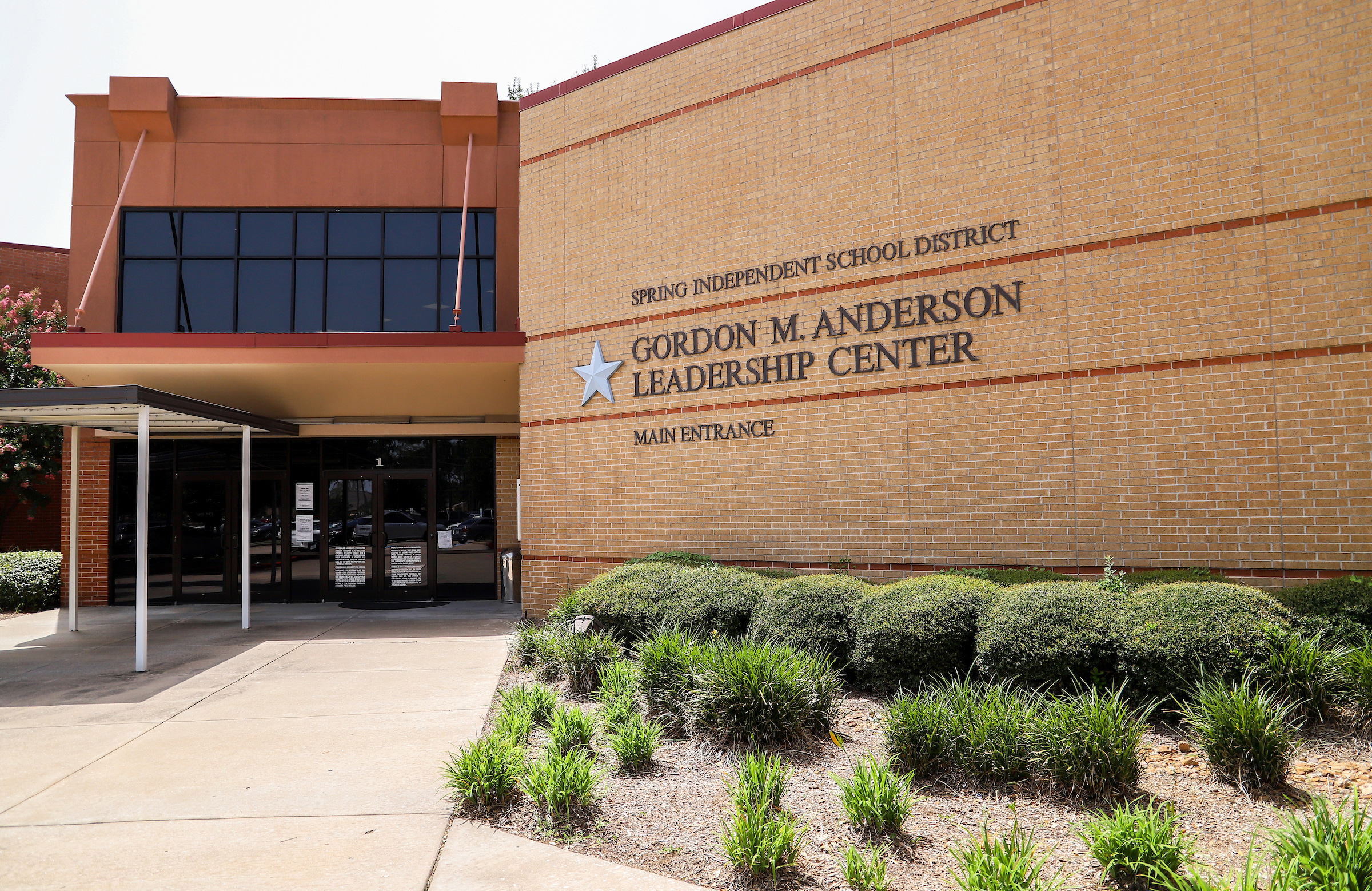
The Board of Trustees is scheduled to meet Tuesday, Nov. 10 at 7 p.m. at the Gordon M. Anderson Leadership Center.