Mandatory heat-safety rules that took effect Aug. 1 now govern every outdoor practice at Spring High, Klein Collins and every other Texas high school. For parents sending student-athletes into August workouts, the new protocols mean schools must monitor conditions more closely, but families still need to know what to look for when their kids come home.
The University Interscholastic League's Wet Bulb Globe Temperature standards require coaches to measure heat stress before and during every outdoor session. Spring High opens its football season against the Waller Bulldogs on Friday, Sept. 4 at 7 p.m. at Planet Ford Stadium, meaning weeks of peak heat still separate athletes from cooler kickoff nights.
What WBGT means for your kid's practice
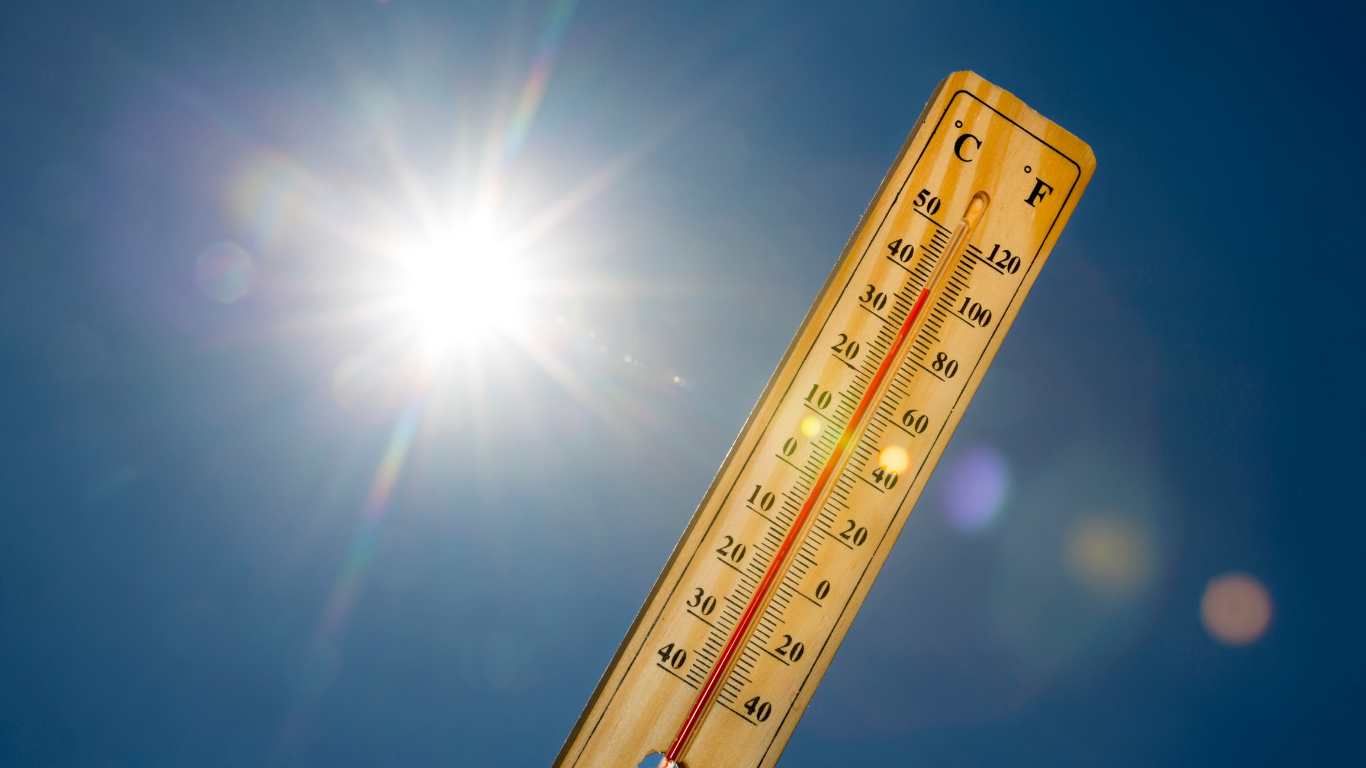
Unlike the traditional heat index, which is calculated in the shade, WBGT combines air temperature, humidity, wind speed and solar radiation to measure actual heat stress on the field.
Here's what the thresholds trigger:
- 82–86.9°F WBGT: At least three rest breaks of four minutes or more per hour.
- 87–90°F: Practice capped at two hours, with additional breaks.
- 90.1–92°F: Practice limited to one hour with a mandatory 20-minute rest.
- Above 92.1°F: Outdoor practice canceled entirely.
Schools must take WBGT readings within 15 minutes before practice starts and every 30 minutes during the session, according to UIL guidelines. The rules apply to practices only, not games, though schools are expected to monitor conditions during contests as well.
Rapid cooling zones equipped for full-body cold-water immersion are required at practices when WBGT hits 79.7°F for larger schools (Class 2) or 82°F for the largest (Class 3).
The question parents should ask first
Dr. Benedict Ifedi, a sports medicine physician with Memorial Hermann, told ABC13 the single most important question for parents is simple: "Does your child seem confused, quiet or more tired than normal after practice?"
That's the first indicator something may be wrong.
Beyond that initial check, Ifedi said parents should watch for:
- Fatigue beyond normal soreness
- Headache
- Clammy skin
- Muscle cramping
Ifedi stressed that student-athletes themselves may not recognize when something is abnormal, which puts parents in the role of first detector.
After practice: what helps
Ifedi recommended a post-practice cooling routine: change out of practice clothes immediately, bring body temperature down with ice packs, a cool shower or an ice bath, and eat a well-balanced meal. Rest matters.
In a KHOU interview on Aug. 3, Ifedi explained why the Houston area faces elevated risk: "Here in Houston, we joke it's not the heat, it's the humidity. Humidity can be a big factor, especially for people who aren't acclimated to it."
Schools are now required to have rapid cooling equipment on site, including ice tubs or a method called TACO (Tarp-Assisted Cooling with Oscillation), which uses a tarp, ice and water to lower body temperature fast.
Why the rules changed
The UIL moved from recommended to mandatory protocols after three years of voluntary use and following heat-related tragedies, including the August 2025 death of 15-year-old Preston Malone III, a JV football player at Lancaster Early College High School who collapsed from exertional heat stroke during practice.
Harris County experienced a 329% increase in heat-related illnesses between 2019 and 2023, with 80 confirmed deaths during that period, according to Harris County Public Health data.
What's next
Classes for both Spring ISD and Klein ISD begin Wednesday, Aug. 12, and athletes will train through the hottest stretch of the calendar before the lights come on for Week 1.