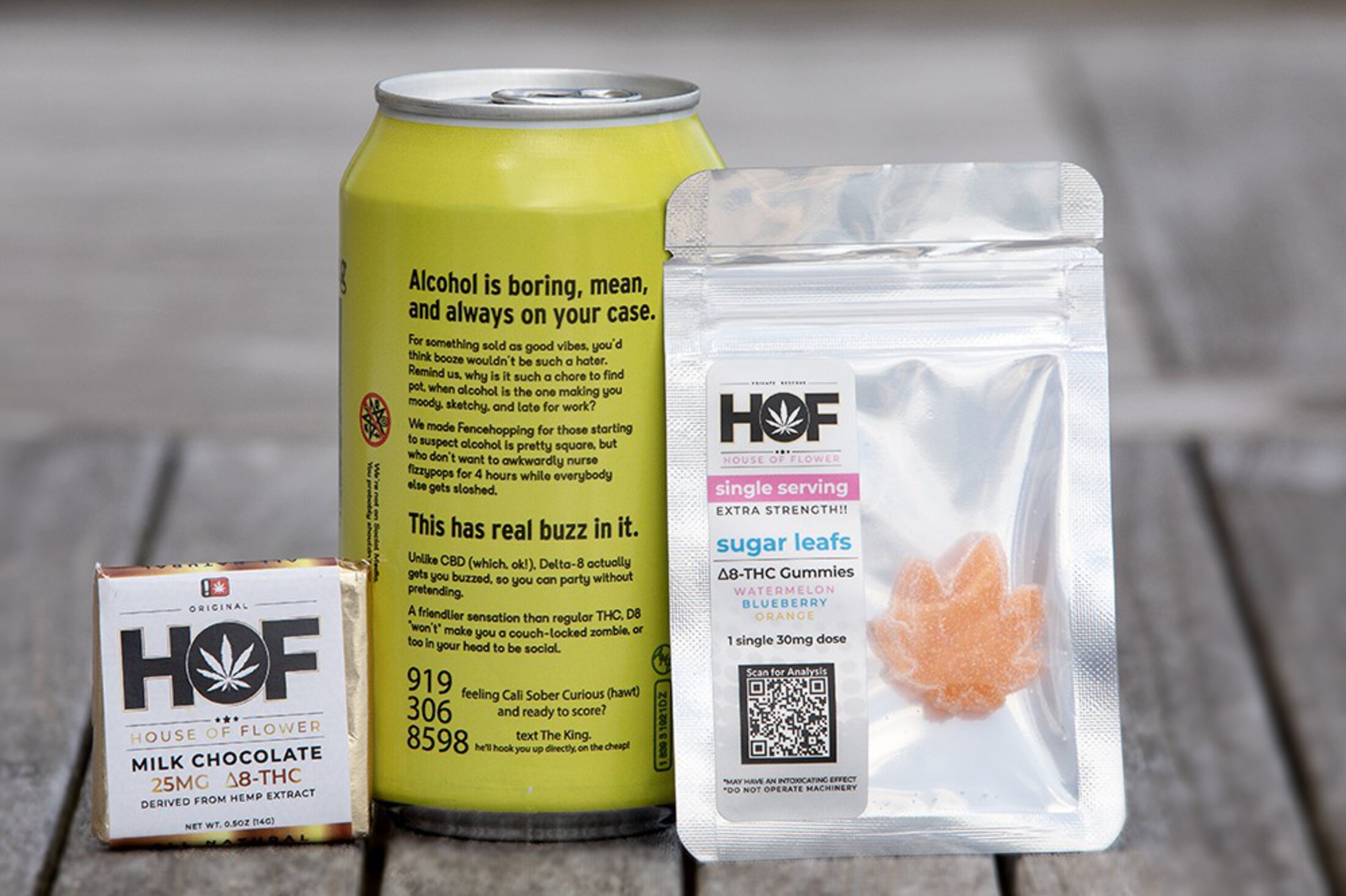
Three Spring hemp retailers are absorbing tens of thousands of dollars in losses after Texas banned Delta-8 THC products July 31.
Carole Baker, owner of CBD American Shaman in Spring, told Community Impact Newspaper that 60% of her inventory was wiped out by the new regulations. Joshua Belland, who ran Green Flame Apothecary, said he lost about $10,000 in stock. He shut down the hemp side of his business and rebranded as The Vitality Lounge, pivoting to wellness smoothies.
The hemp side is gone.
Sunne Walton, owner of Sound Revolution in Spring, said the regulations make her want to avoid renewing her hemp license altogether. She had used it to sell lower-THC edibles.
The ban traces to a May 1 Texas Supreme Court ruling in the case Sky Marketing Corp. v. Texas Department of State Health Services (DSHS). The court ruled DSHS had the authority to classify manufactured cannabis products like Delta-8 as controlled substances. New regulations took effect July 31, prohibiting the sale of Delta-8 and other intoxicating hemp-derived THC variants statewide.
Products containing up to 0.3% Delta-9 THC by dry weight remain legal under state law. But Belland said Delta-9 products at that concentration have no effect in flower form and work only when consumed orally. With most of his sales previously coming from Delta-8, staying open selling Delta-9 alone was not viable.
On top of the product ban, DSHS raised the annual hemp retail license fee from $150 to $5,000 per location. Baker said the cost is not feasible for a small business owner and she does not know how she will move forward when renewal comes.
"We built up a nice little community of people that would come in, enjoy our products. We had a lot of veterans and even first responders with [medical] cards who would choose to come here," Belland said.
The changes affect retailers across the state. DSHS records show 2,391 hemp-licensed retailers in Harris County as of Oct. 19.
Statewide, about 14,000 retail stores hold consumable hemp licenses, according to DSHS figures reported by the Texas Tribune. The Texas Cannabis Policy Center estimates the state has roughly 900 to 1,000 registered hemp manufacturers.
Sarah Todd, a representative for the Texas Cannabis Policy Center, said increased criminalization and reduced safe access to THC products are the organization's main concerns. Todd said hemp-related arrests can affect employment, housing, federal student aid, professional licenses and driver's licenses, even without a conviction.
Possession of the now-banned THC products is classified as a state jail felony, carrying 180 days to two years in prison and fines up to $10,000, according to cannabis experts cited by the Texas Tribune.
Belland said DSHS provided no guidance on how to dispose of banned inventory. Instead, the agency's website listed penalties: anyone with products containing Delta-8 THC "may be detained and referred to law enforcement," according to DSHS.
The Texas Comptroller of Public Accounts reported $1.3 million in hemp product revenue from Sept. 1, 2025, through Feb. 28, 2026, up from $364,198 in 2020.
Todd said the Texas Cannabis Policy Center expects lawmakers to revisit the issue. A possible federal hemp restriction tied to a Dec. 11 deadline adds further uncertainty. Under a law signed by President Donald Trump on Sept. 2, a new total THC standard and per-container THC cap take effect Dec. 11, according to Vicente LLP, a cannabis law firm. Baker, meanwhile, said she does not know whether she can afford to renew her license when the time comes.