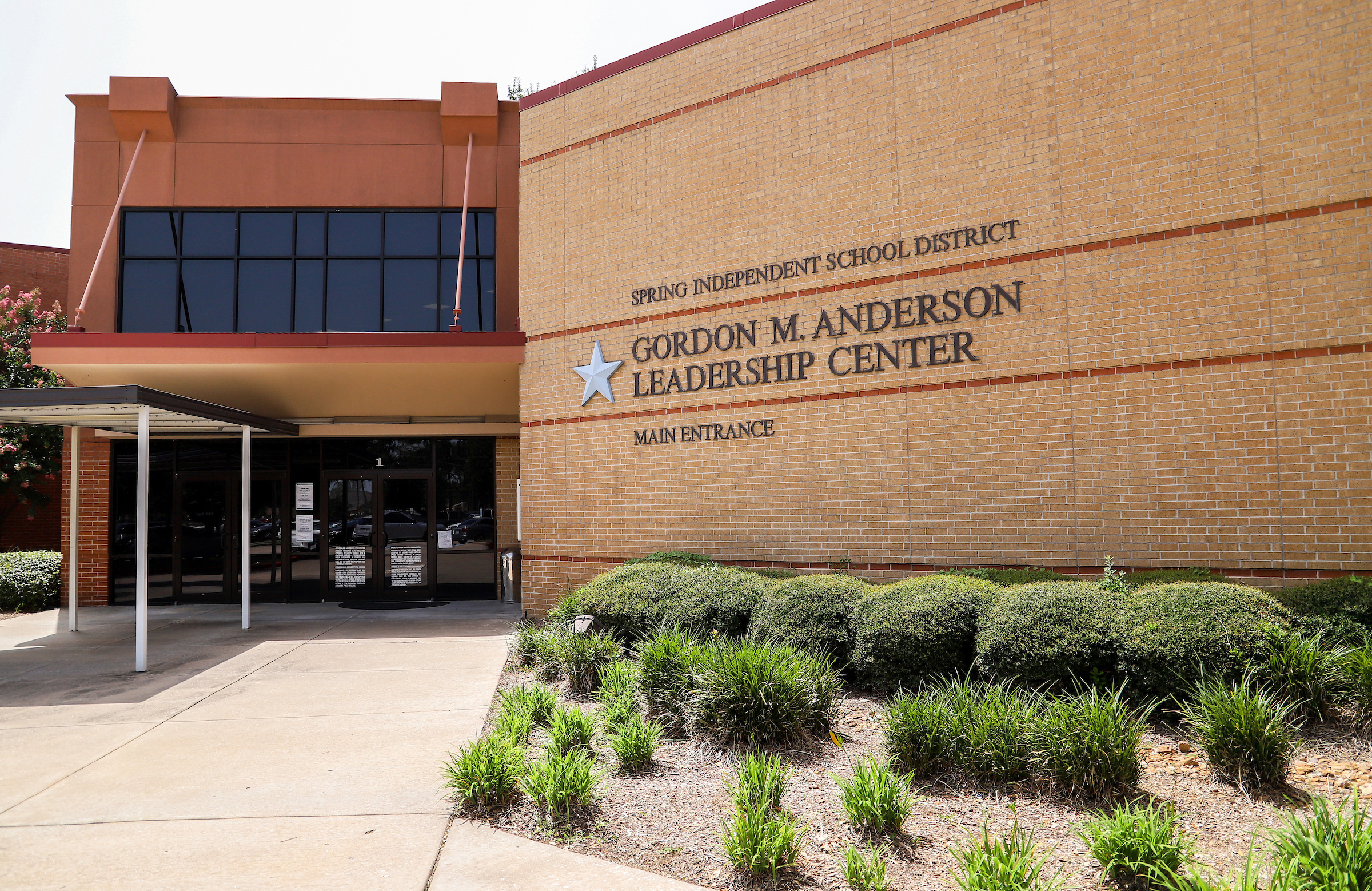
Two state laws took effect Tuesday, Sept. 1, changing how Spring ISD and Klein ISD receive education dollars from Texas. The changes land as both districts navigate tight budgets and shifting enrollment.
House Bill 2 and Senate Bill 568 are delayed provisions of legislation passed during the 2023 session. Together, they overhaul school finance formulas and special-education funding statewide, according to KPRC 2.
Special-education funding shifts to service tiers
SB 568 replaces the old placement-based special-education funding model with a system tied to the intensity of services each student receives. The Texas Education Agency (TEA) now distributes money through service-intensity tiers and at least four specific service groups, according to Secret Houston.
The shift is expected to inject an estimated $250 million more into the statewide special-education budget during the 2026–27 transition year, Secret Houston reported. That figure has not been independently confirmed against TEA data.
For families, the change does not alter a student's Individualized Education Program, eligibility or right to services. Districts do take on new reporting requirements to track service-level data through the Public Education Information Management System (PEIMS), according to The Katy News.
The law also revises funding eligibility for students with dyslexia or related disorders. It removes a cap on the portion of the dyslexia allotment that districts may use to obtain supplemental services from a private provider, The Katy News reported.
Teacher pay gets new incentive tiers
HB 2's delayed provisions revise the Teacher Incentive Allotment (TIA) by increasing payments and adding new teacher-designation levels. The law also established grants to help districts make more teachers eligible for designations, according to The Katy News.
The changes do not guarantee every teacher the same raise. The amount available depends on a teacher's designation status, the district's approved system and how state allotment funds are implemented locally.
What it means for Spring ISD
Spring ISD enters the new funding landscape facing an $8.7 million projected budget deficit for 2026–27, according to an April Houston Chronicle report. The 32,300-student district has run deficits for five consecutive years. TEA data showed enrollment dropped 1,241 students, or 3.7%, between the 2024–25 and 2025–26 school years.
The board approved a 2026–27 operating budget on July 8 but did not publicly release a total dollar figure.
The district's board also voted unanimously on Aug. 19 to place a Voter Approval Tax Rate Election (VATRE) on the Nov. 3 ballot. If voters approve Proposition A, the 2-cent tax rate increase would generate an estimated $5.6 million in local revenue and unlock roughly $9.9 million in additional state funding, according to the district. For a homeowner with a $250,000 home and a homestead exemption, the increase would cost about $55 per year.
"Every financial decision we make must be anchored in our vision and mission and demonstrate our commitment to student success," Spring ISD Chief of Business Operations Dr. Tamika Alford-Stephens said at the Aug. 19 board meeting when trustees placed the VATRE on the ballot.
Klein ISD's outlook
Klein ISD projected in April that it would end the 2025–26 school year with a $20 million surplus, after starting with a $21 million shortfall, according to the Houston Chronicle. Klein Chief Financial Officer Daniel Schaefer credited favorable state action but noted the $8 billion school funding package came with mandates that forced spending on items like three-point seat belts for school buses.
Neither Spring ISD nor Klein ISD has released a public statement addressing how HB 2 or SB 568 will affect local budgets. Neither district has announced a timeline for detailing how the new formulas change local funding.
Spring ISD's VATRE election is Nov. 3, with early voting running Oct. 19 through Oct. 30.