More than 1,600 families in the Spring and Klein ISD areas are using Texas's new school voucher program this fall, but participants are disproportionately white and less economically disadvantaged than the students those districts serve.
Texas Comptroller Don Huffines released the first annual demographic report on the Texas Education Freedom Accounts program on Saturday, Aug. 1. The data shows 628 students within Spring ISD boundaries and 989 within Klein ISD boundaries have funded TEFA accounts for the 2026-27 school year, according to parent-reported information in the comptroller's report.
Klein ISD ranks 14th statewide among all districts by number of participating students. Campus-level data shows Klein Oak High School has 53 participants, Klein High School has 48, Klein Cain High School has 40, and Klein Road Elementary has 40.
The demographic gap
Statewide, 41% of TEFA participants are white, 28% are Hispanic, and 14% are Black, according to Houston Public Media. In Texas public schools, those numbers are nearly reversed: 24% white, 53% Hispanic, and 13% Black.
That gap is especially pronounced in Spring ISD, where 54.1% of students are Hispanic and 82.8% are economically disadvantaged. Klein ISD's student body is 44.6% Hispanic and 55.3% economically disadvantaged.
The program does skew toward lower-income families: about 80% of participants come from households earning at or below 200% of the federal poverty level, roughly $66,000 for a family of four. Nearly a quarter of funded students have a qualifying disability. But a June 2026 fact sheet showed 57% of families invited to participate had previously attended private school or were home-schooled, meaning most first-year recipients likely did not leave public schools.
The money
The $1 billion program gives most private-school families about $10,474 per student annually. Students with disabilities can receive up to $30,000. Home-schoolers qualify for up to $2,000.
Texas funds public schools based on average daily attendance, so every voucher student who previously attended a district school reduces state funding by roughly $10,474. However, because statewide data suggests most first-year recipients were already in private school or home school, the actual funding drain on Spring ISD and Klein ISD is likely far smaller than the raw participant counts imply.
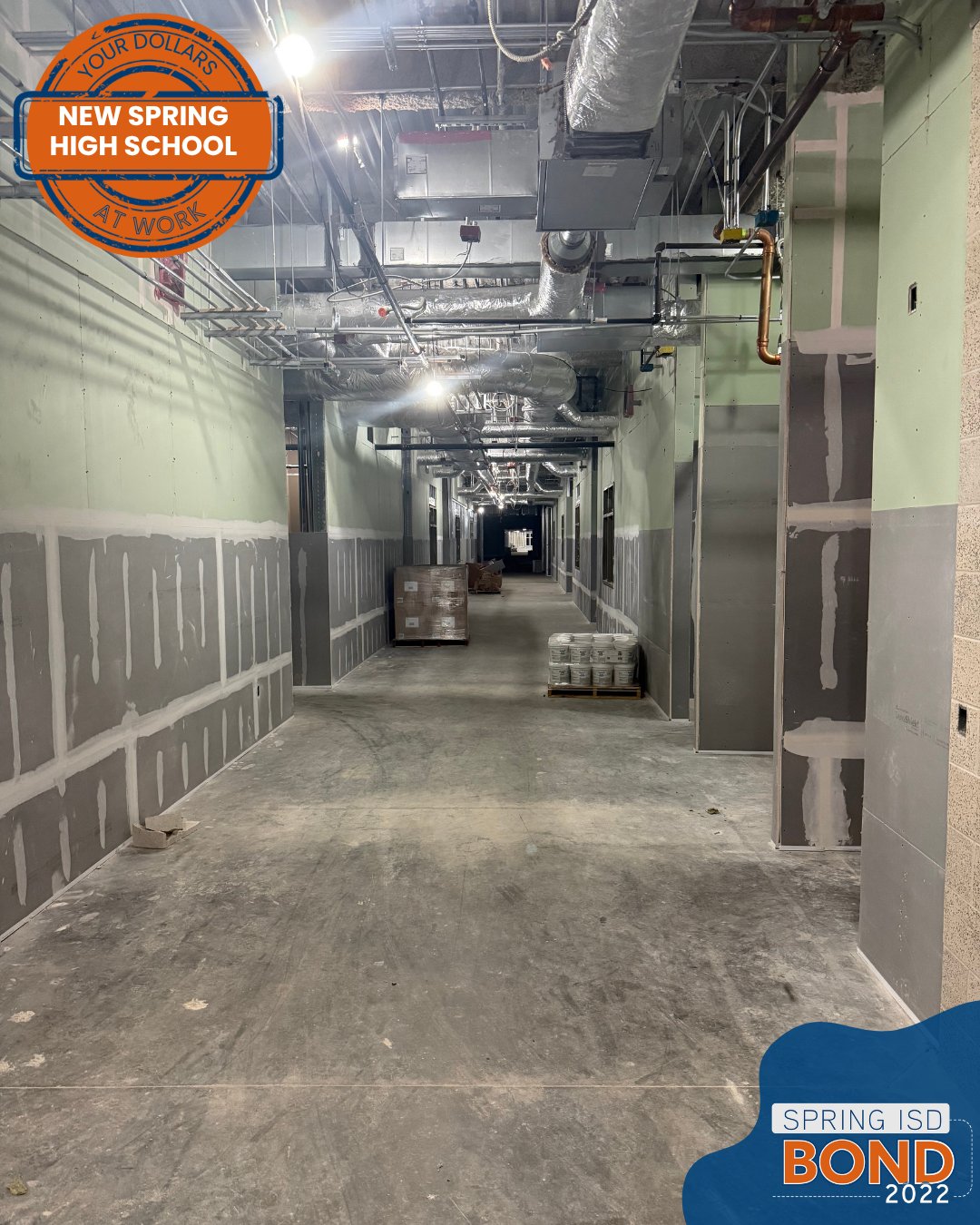
As we reported July 30, Spring ISD already faces a $13 million budget shortfall tied to enrollment decline and closed Link Elementary and Dueitt Middle School in December 2025. Statewide, projections suggest 100,000 more students could leave public schools in 2026-27.
What's next
Another 121,000 students remain on the TEFA waitlist statewide. The comptroller's report calls it the largest school choice waiting list in the country. Pre-K families make up 11% of participants, the most of any single grade level.
The school finance squeeze predates the voucher program. "This is a major problem that in advance of next session, in advance of the next major school finance bill, we have to figure out how to get right and fix," Rep. Jeff Leach, R-Plano, said at a June 1 legislative hearing on school funding, as reported by Community Impact on July 30. The next legislative session begins in January 2027, when school finance and TEFA funding are expected to be top priorities.
Both Spring ISD and Klein ISD start classes Wednesday, Aug. 12. Klein ISD's enrollment window for returning students closes Friday, Aug. 7; new students can register at kleinisd.net or at in-person events.