Texas Comptroller Don Huffines asked lawmakers to double the state's private school voucher program to more than $2 billion.
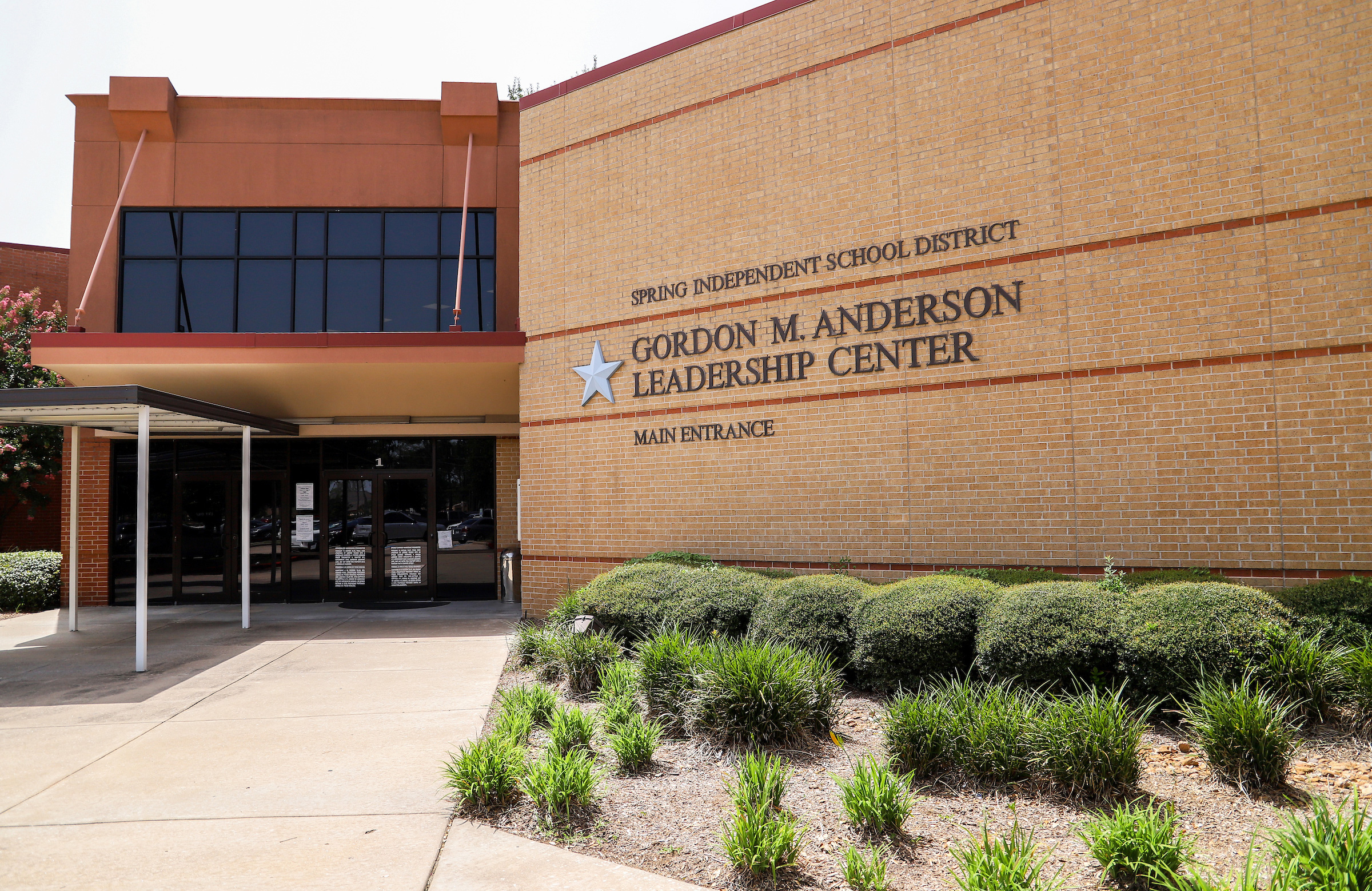
The request, filed Thursday, Sept. 3, as part of the 2028–29 state budget proposal, could accelerate enrollment losses and funding pressure at Spring ISD, which already faces a projected $8.7 million deficit and is asking voters for a tax-rate increase this fall. Huffines asked the Legislature to add $1 billion in base funding to the Education Savings Account (ESA) program, plus $226 million to cover increased costs for families already enrolled, according to Houston Public Media.
The ESA program launched during the 2026–27 school year. Nearly 110,000 students have received funding so far, while more than 106,000 families sit on a waitlist. Participating families with a child in private school qualify for about $10,500 a year. Home-schoolers receive up to $2,000. Children with disabilities can qualify for up to $30,000.
The waitlist keeps growing.
State data shows 70% of families who joined or have pending invitations already attended private school or were home-schooled before receiving voucher funding. Legislative budget analysts have projected the program could grow to roughly $4.8 billion by 2030.
What it means for Spring ISD
Spring ISD, a district of about 32,300 students, lost 1,241 students between the 2024–25 and 2025–26 school years. That 3.7% drop contributed to a projected $8.7 million deficit for 2026–27, according to an April report by the Houston Chronicle. The district has run deficits for five consecutive years. In December 2025, the board voted to close two schools to save more than $4 million.
The district is also asking voters to approve Proposition A on Tuesday, Nov. 3, a 2-cent tax-rate increase that would raise the Maintenance & Operations rate to $1.1569 per $100 of property value. Spring ISD estimates the measure would generate $5.6 million in local revenue and unlock $9.9 million in state funding, for a combined $15.5 million impact, according to the district's announcement.
When the board unanimously placed the measure on the ballot on Aug. 18, Superintendent Kregg Cuellar framed the vote as essential to sustaining the district's academic turnaround. In an April 25 Houston Chronicle report, as the deficit projection emerged, Cuellar said he had been "speaking very publicly and openly to principals that we have to start marketing the great work that's happening within the walls of our schools."
The Texas State Teachers Association pushed back against the comptroller's request, saying in a statement that districts have been forced to close campuses and cut programs and that the state cannot afford to keep draining tax dollars from public schools.
Statewide enrollment decline
The voucher expansion request comes as Texas public schools face a broader enrollment crisis. Roughly 76,000 fewer students enrolled statewide during the 2025–26 school year than the year before, the first non-pandemic enrollment drop in recorded history, according to Community Impact. At least 150 Texas campuses have closed in less than three years.
Education demographics analyst Bob Templeton projected enrollment could drop by more than 100,000 students statewide during the 2026–27 school year. He warned districts to plan for continued losses over at least the next five years.
Spring ISD has shown academic gains even as finances tighten. The district's state accountability score jumped 11 points, from 65 (D rating) to 76 (C rating), and the number of F-rated campuses fell from 11 to two, according to ABC 13.
Legislators will take up the state's two-year budget when the session begins in January 2027. Voter registration for Spring ISD's Proposition A closes Oct. 5, with early voting running Oct. 19 through Oct. 30.