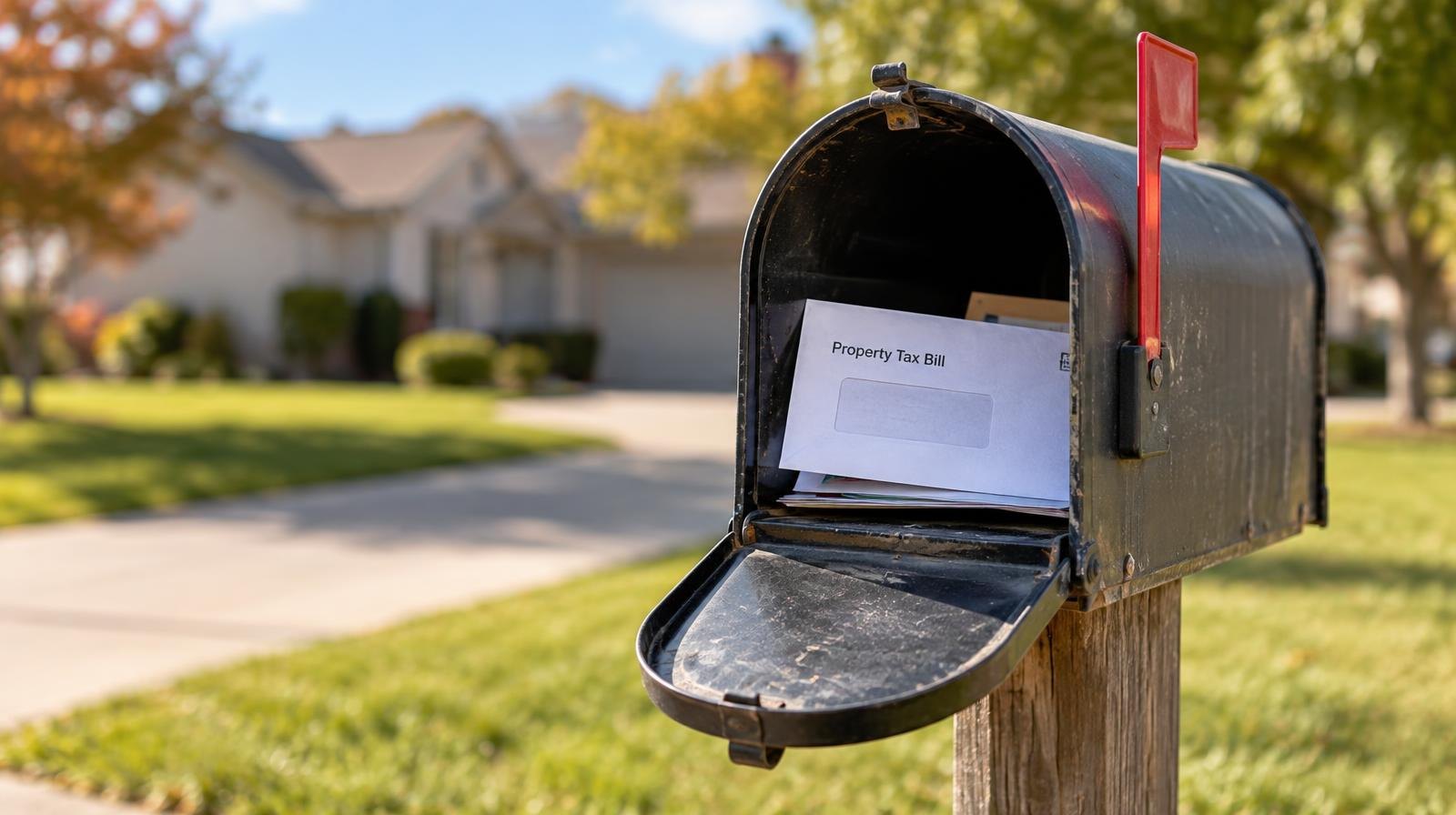
Roughly 60% of Texas homeowners age 65 and older owe nothing in school district property taxes, according to an analysis by state Sen. Paul Bettencourt's office.
The finding, first reported by the Texas Tribune via Houston Public Media on Wednesday, Sept. 30, means the cost of funding public schools is landing more heavily on younger homeowners, renters and commercial property owners across the Spring area and statewide.
Bettencourt, a Houston Republican who represents Senate District 7, which includes Spring, authored many of the state's recent property tax cuts. His office compiled data from appraisal districts and tax assessor-collectors in all 254 Texas counties.
How the exemptions work
Texas lawmakers boosted the state homestead exemption on school district taxes to $140,000 for most homeowners. Seniors and homeowners with qualifying disabilities can subtract $200,000 from their home's taxable value. If a home's assessed value falls below the exemption, the owner pays $0 in school taxes.
Nearly 2.4 million Texans pay no school property taxes at all. Across all homeowners, 40% owe nothing to their local school district, up from 28% in 2024, according to Bettencourt's analysis.
The statewide average school tax bill for general homesteads dropped 13.6% to $896 in 2025. For seniors, it fell about 33% to $380.
Who picks up the tab
The state is spending $51 billion in the current two-year budget to fund those cuts. That money comes from state revenue, including sales taxes paid largely by working-age adults.
Janelle Fritts, senior policy analyst with the Tax Foundation, told the Texas Tribune that as more homeowners stop paying school taxes, commercial property owners and renters will absorb a larger share of the bill. Research cited in the analysis also found that larger tax cuts make homeowners less likely to sell, tightening the housing supply and pushing prices higher for younger would-be buyers.
Local pressure compounds
Spring homeowners already face rising county taxes. Harris County commissioners voted 3-1 on Sept. 17 to adopt a rate of 67 cents per $100 of taxable value. The Houston Chronicle reported the hike will cost the average homeowner roughly $198 more in the 2026 fiscal year. Bettencourt said the new combined county rate will cost the average homeowner about $2,100 in 2026.
The gap stings.
Derrick Wilson, chairman of the Texas Young Republican Federation, told the Texas Tribune it "does seem foundationally unfair to grant tax relief to an older generation that's been voting for bonds and things that we still have to pay for."
What comes next
At a Sept. 1 Senate Local Government Committee hearing where Bettencourt presented earlier findings, he said once a senior's school tax bill hits zero, it stays there for life under current law. Sen. Molly Cook, a Houston Democrat on the committee, warned at the same hearing that the funding model is unsustainable. Community Impact reported Cook called the arrangement "a structural deficit on layaway."
Lt. Gov. Dan Patrick has said he wants to extend the senior exemption to homeowners age 55 and older. Gov. Greg Abbott has proposed eliminating school property taxes for all homeowners as part of his reelection platform. The state comptroller's office estimates that move would cost an additional $8.6 billion per year on top of the $51 billion already committed.
The Texas Legislature's next regular session begins in mid-January 2027. Texas' population of residents 65 and older is projected to nearly double, from about 3.9 million in 2020 to 7.5 million by 2050, according to University of Virginia projections cited in the analysis.